Signs your baby is ready for solids
At around 6 months of age, your baby will be ready to start solids. Whilst some babies may show some signs of readiness before 6 months, breastmilk or formula will continue to provide all of your baby’s nutritional needs, meaning solid foods are not needed as a form of nourishment before 6 months. It is important that babies are not provided any solid foods before 4 months.
Introducing solids earlier than recommended can lead to concerns such as malnutrition if the foods introduced are less nutritious than the breastmilk or formula otherwise offered, increased risk of developing allergies, and higher exposure to bacteria and pathogens in foods which cause diarrhoeal diseases.
Introducing solids later than recommended can lead to problems including faltering growth, micronutrient deficiencies, compromised immune protection, higher development of food allergies, delays in the development of oral motor skills like chewing, and increased incidences of infants rejecting new flavours or textures.
How will you know when your child is developmentally ready to start solids? Look for these signs!
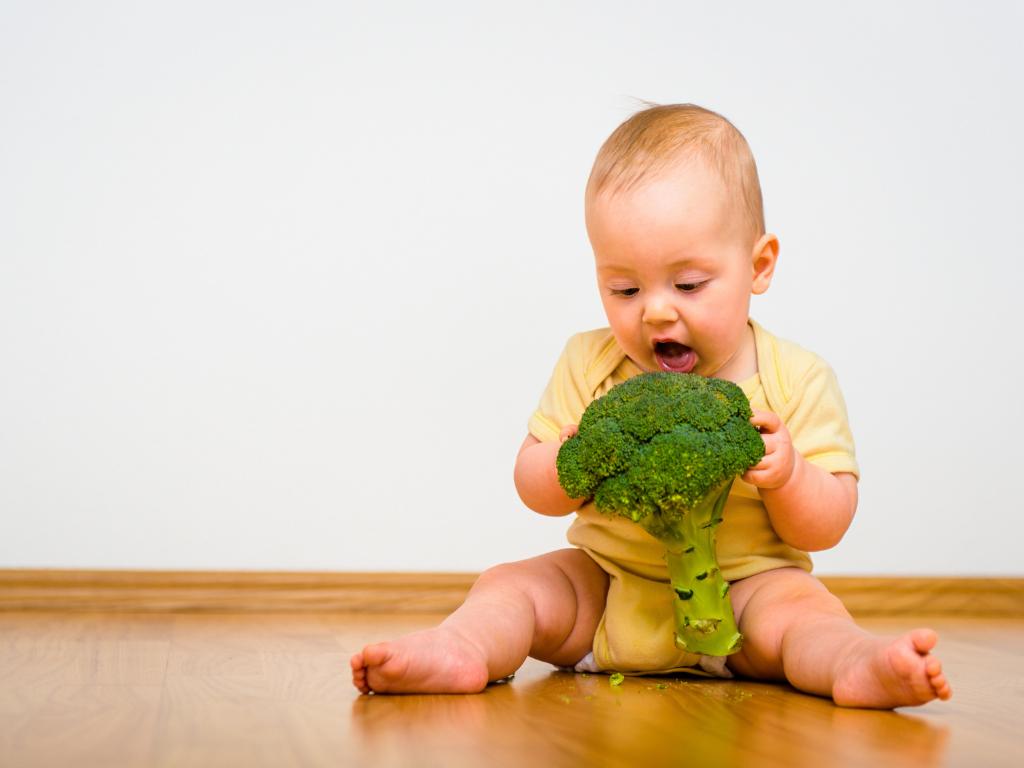
- Head control: Baby has good head and neck control, can turn their head independently, and isn’t floppy like a new born.
- Sits unsupported: baby can sit upright with little or no supports for a brief period.
- Interested in food: Baby shows interest in what others around them are eating, and may even reach for food or mimic your chewing when they see you eat. Baby will also often open their mouth if food or a spoon is offered to them.
- Increased mouthing: Baby will often start to mouth or chew toys and teethers more, or exploring their mouths with their fingers. They will also start to reach for items and bring them up to their mouths.
- Aged 4-6months old: The WHO and the Australian Infant Feeding guidelines recommend introducing solids at around 4-6 months, which is around the time most babies start to show these signs.
Making mealtimes fun!
Early on, one of the important benefits that solid foods offer for bub is a chance to explore and learn, and build positive experiences with food. Getting up close and personal (and messy!) with food is a valuable way your baby learns about what food is and how to eat it. To help baby build a positive relationship with food, meal times should be FUN!
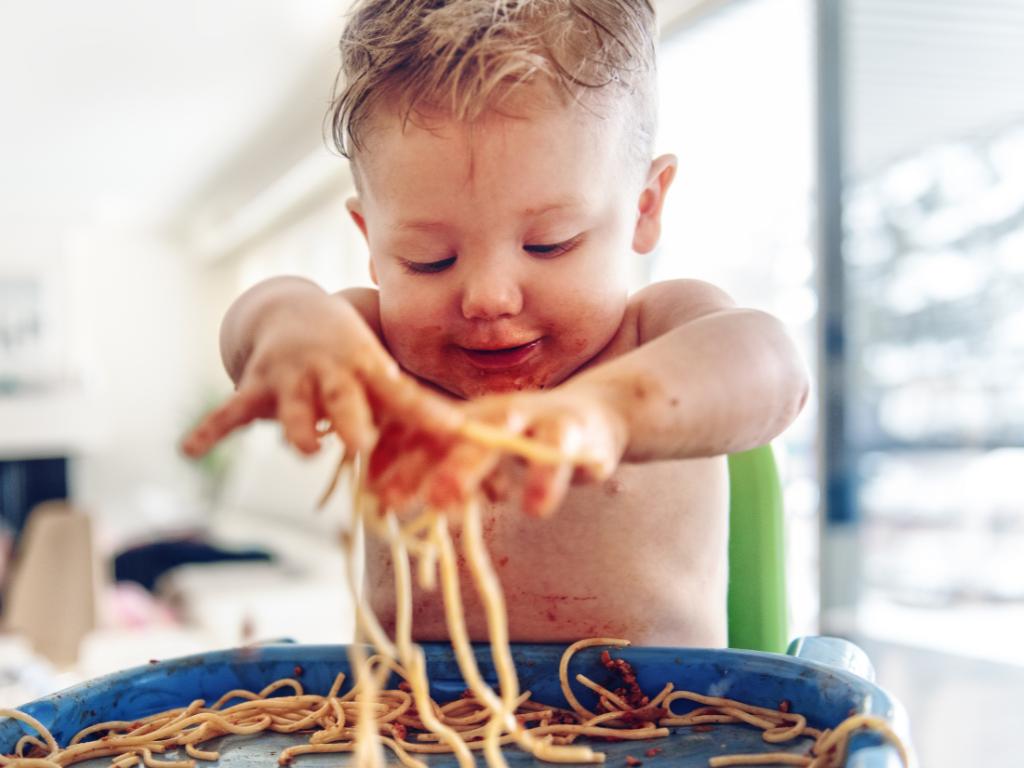
Top tips for feeding fun:
- Offer foods when bub is well-rested, alert, and happy.
- Keep meals short, often only 5-15 minutes is needed.
- Eat with baby, so they see you enjoying food and can copy you.
- Avoid using highchairs as a form of containment outside of meals, or leaving baby in them for long periods or when upset.
- Avoid wiping hands/face in the high chair, instead wait until they have finished and take them out of the chair to clean up.
Balancing solids and milk feeds
While the introduction of solids is an exciting time for you and your little one, it is important to continue offering regular milk feeds. Up until 12 months of age, breastmilk or infant formula is an important part of your baby’s nutritional intake.
As your baby gradually transitions from exclusively milk feeds to a solid diet, you can think about their nutrition in the following stages:
- The milk stage: breast milk or infant formula meets all your baby’s nutritional needs
- Sensory exploration stage: milk is the primary source of nutrition, with a very small amount of solids offered to explore new flavours and textures
- Tasting and nourishing stage: solids are offered more regularly, and are an important source some nutrients like iron
- Learning to eat stage: solids are offered several times a day, before milk feeds. Solids provide nutrition and calories, and start to provide a growing percentage of baby’s nutritional intake
- Family foods stage: Baby meets all their nutritional needs from family-style foods, from 12 months onwards.
What kind of milk?
For infants under 12 months of age, the only suitable milk drinks are breast milk or commercial infant formulas.
Regular cow’s milk or plant-based dairy alternatives such as soy or oat milks are not suitable drinks for infants under 1 year. These products are perfectly fine to to use in small amounts in foods offered to infants, but cannot replace breastmilk or formula as a primary source of nutrition.