
Initially, first foods are intended to provide key nutrients, such as iron, and to expose babies to a variety of flavours and textures. These first meals will often be small, often just a few teaspoons! By around 9 months, your baby will be much more interested in foods, and accept larger amounts. It is also common for their appetite may also fluctuate day to day or week to week, depending on factors like growth spurts, teething, illness, or sleep changes.
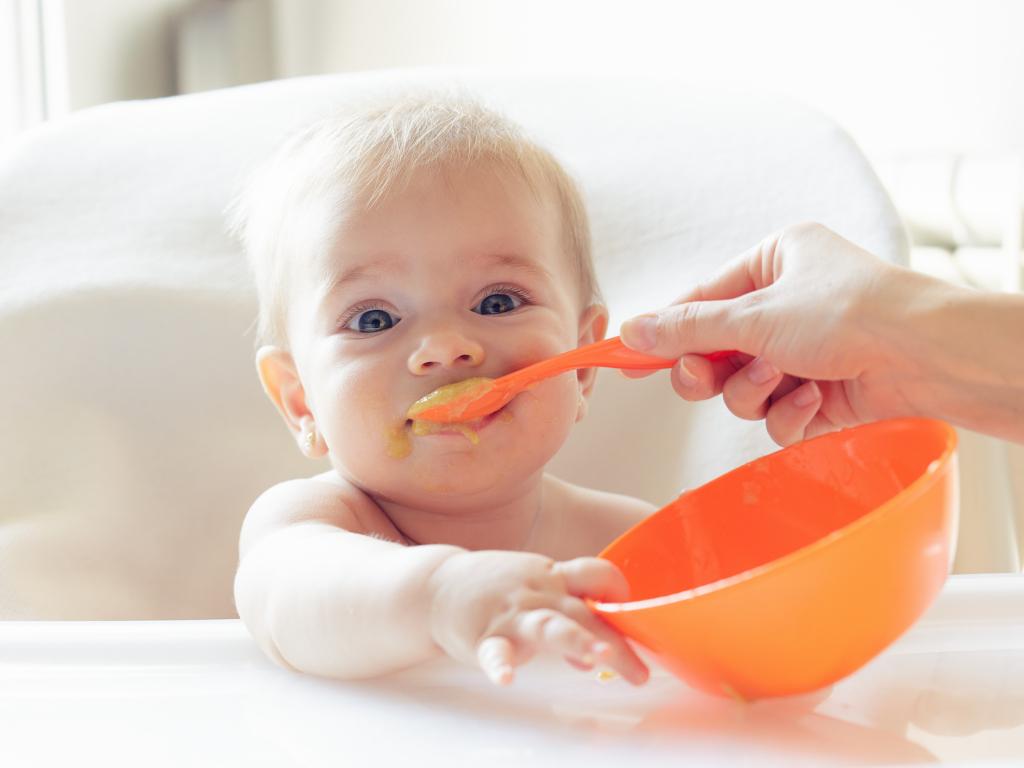
What foods to include
- Iron rich foods: Iron is essential for brain development in infants, and is the primary reason solids need to be introduced at around 6 months. Babies are born with an internal store of iron that lasts until around 6 months. Therefore, it is recommended that first foods should include iron rich sources. Some suitable iron-rich foods include iron-fortified infant cereals, red meats, beans, legumes, and leafy green vegetables.
- Flavourful foods: Whether you choose to spoon feed or baby-led weaning, or a combination of the two, offer a wide range of flavours for baby to explore by using herbs and spices. Whenever possible, avoid adding sugar or salt, and use herbs or spices to build flavour instead!
What foods to avoid
Some foods are NOT recommended as part of baby’s early diet. These foods may have limited nutritional value, be high in sugar, salts, or fats, or may pose dangers such as food safety risks or choking hazards.
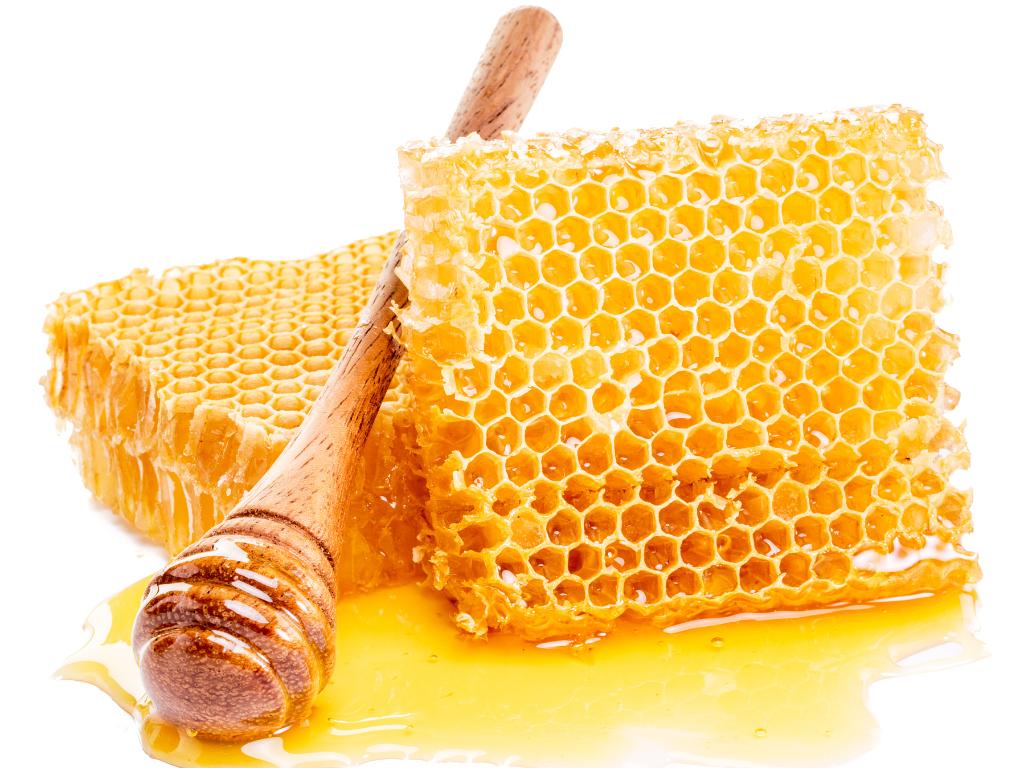
Honey: honey is not suitable for infants under 1 year of age due to the risk of botulism, a rare but serious bacterial contamination which can be deadly in infants. The bacteria can be killed with heat or acid treatment, but the toxins they have produced are not affected. For this reason, honey is not recommended under the age of 12 months.
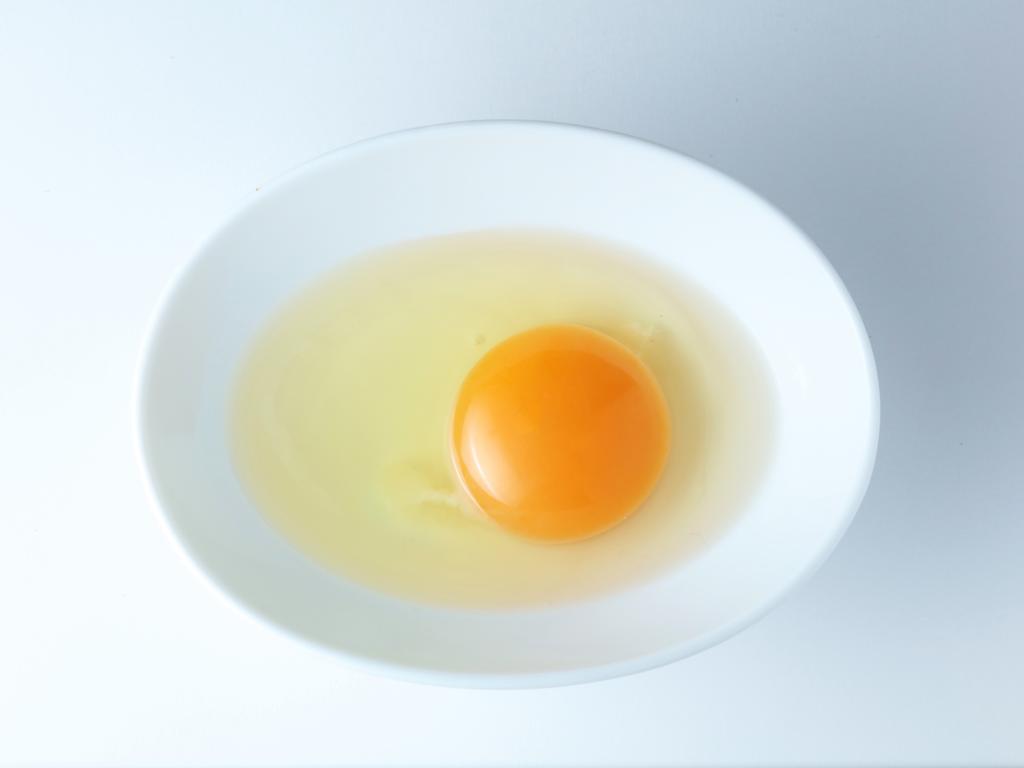
Raw eggs and unpasteurised dairy: Infants immune systems are still developing, and so do not have the strength to fight off infections as well as adults would. For this reason, food safety and good food hygiene are important for bub, just as it was during your pregnancy. Infants under 12 months of age should avoid foods such as raw eggs and unpasteurised dairy products, as these food carry a much higher risk of food poisoning such as salmonella or listeria.
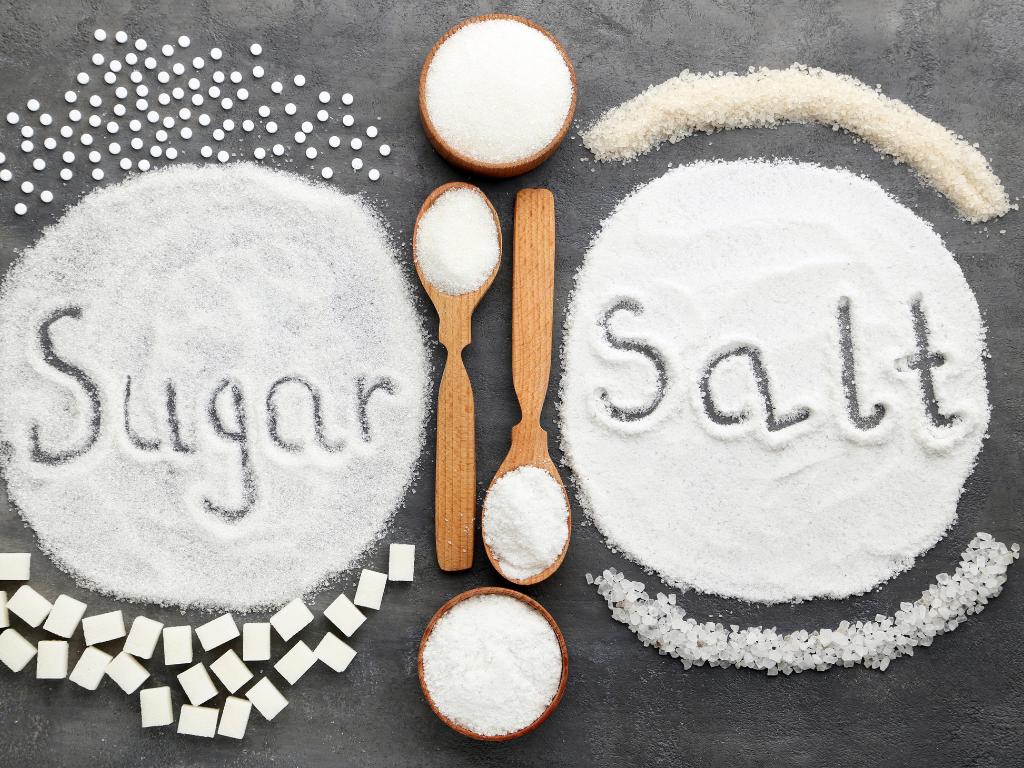
Added sugar and salt: excessive sugar in infancy can contribute to all the same problems as it does in adults, including obesity and dental decay, but can also prime infants to become accustomed to sweet flavours. Added salt impacts infants flavour preferences, as well as putting excessive strain on their developing kidneys.
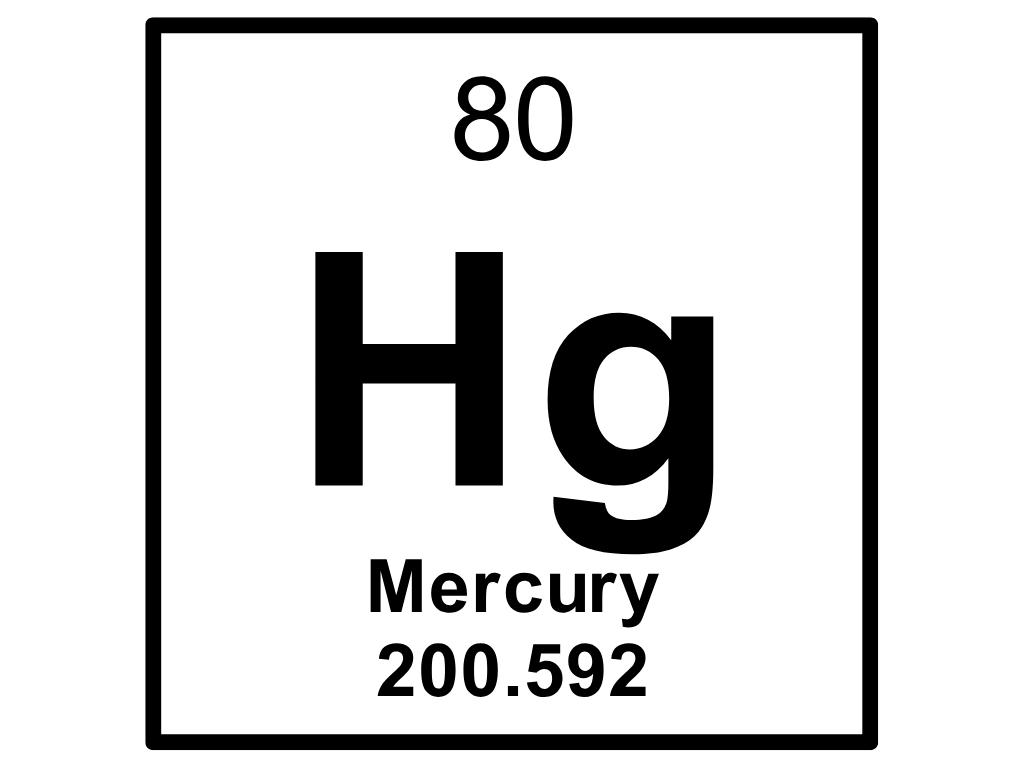
High mercury fish: this is advised to be avoided in infancy for the same reasons as during pregnancy, as it can negatively impact healthy brain development in infants, especially in excessive amounts. Opt for low-mercury fish such as tinned tuna.
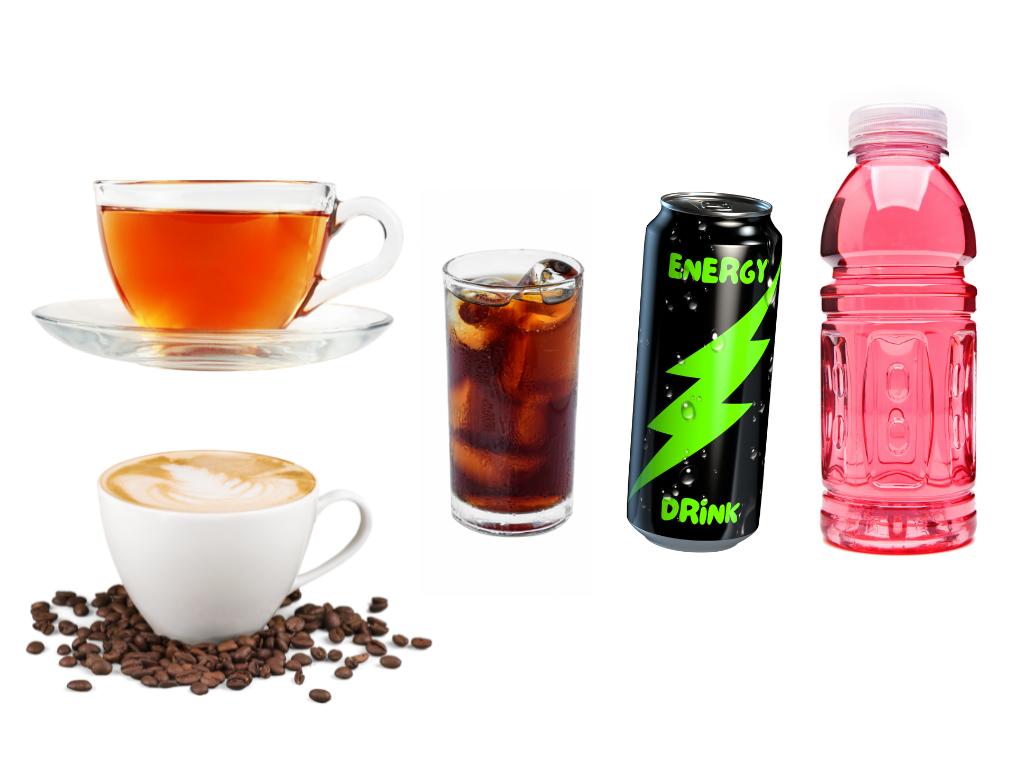
Caffeine: this is advised to be avoided in infancy for the same reasons as during pregnancy, as it can negatively impact healthy brain development in infants, especially in excessive amounts. Caffeine can also make infants restless, irritable, and difficult to settle. For breastfed infants, it is important to note that caffeine from the mother’s diet can be passed on to baby through breastmilk, and so should be limited to small amounts.
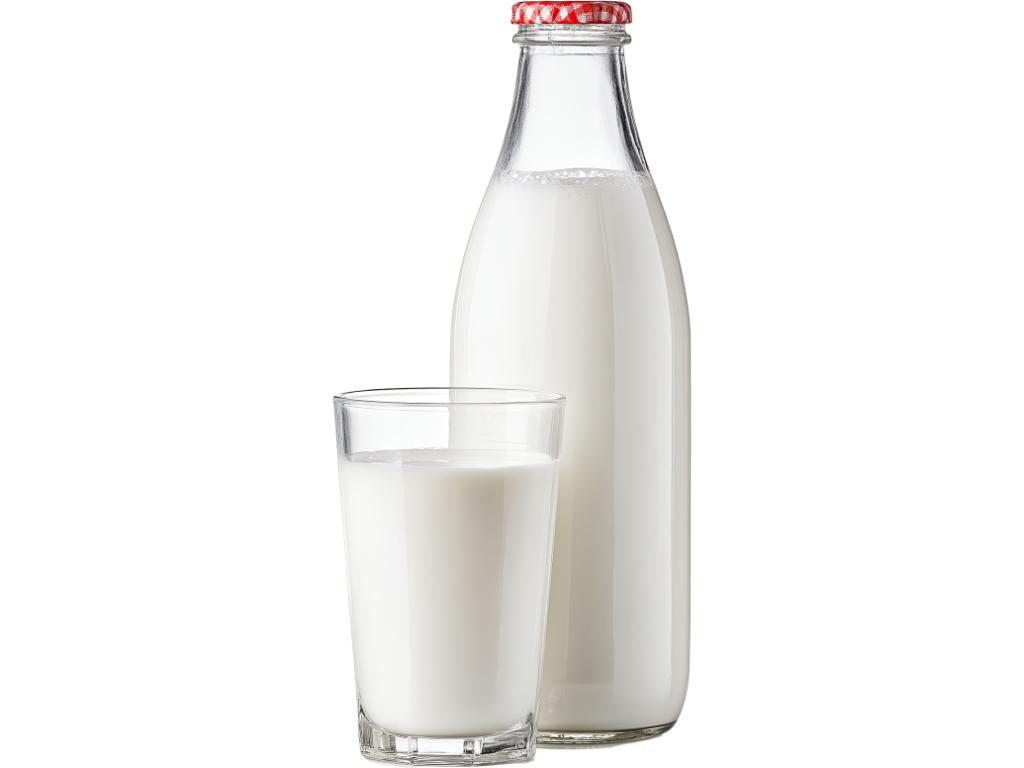
Milk as a drink: Animal or plant-based milk alternatives should not be offered as drinks for children under 12 months old, especially as this may displace breastmilk or formula which are more nutritious for infants, and can increase the risk of malnutrition. This includes milk from cows, goats, sheep, and other animals. Animal or plant-based milk alternative can be offered in small amounts in solid foods prepared for infants, such as in cereals, yogurts, or cheese. If using plant-based milks, choose a calcium-fortified option.
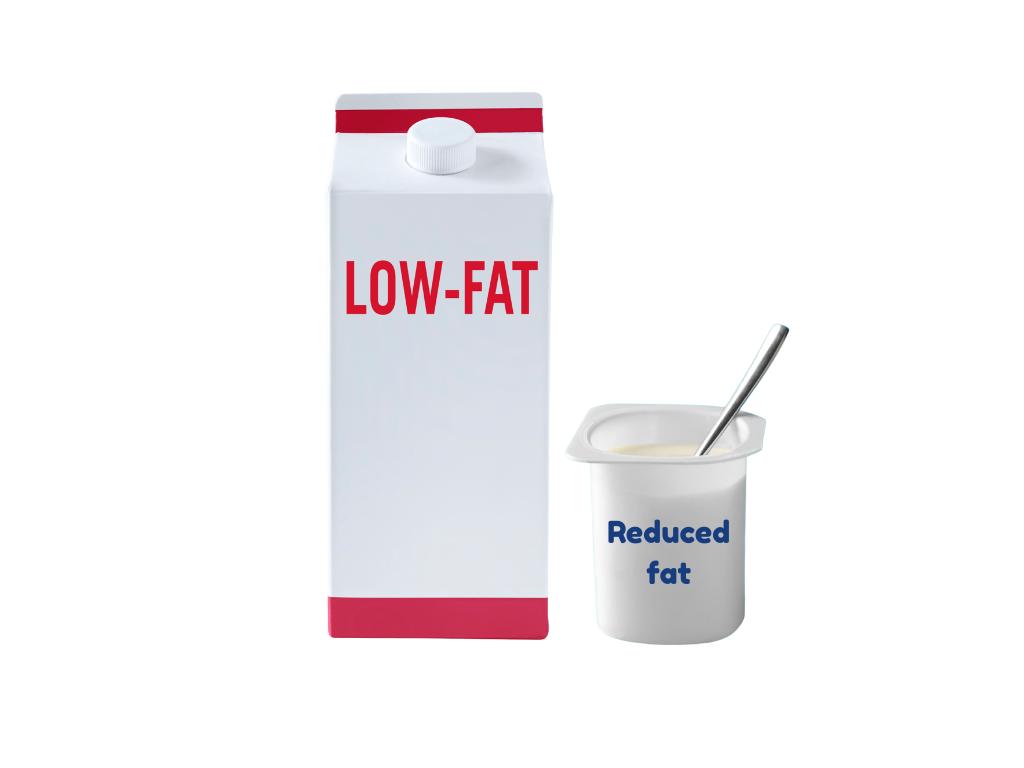
Reduced-fat products: Infants are growing rapidly, and need plenty of energy to fuel this growth. Reduced-fat products such as low-fat dairy products are lower in energy compared to full-fat products, and are not recommended to be used for infants or children under 2 years old.
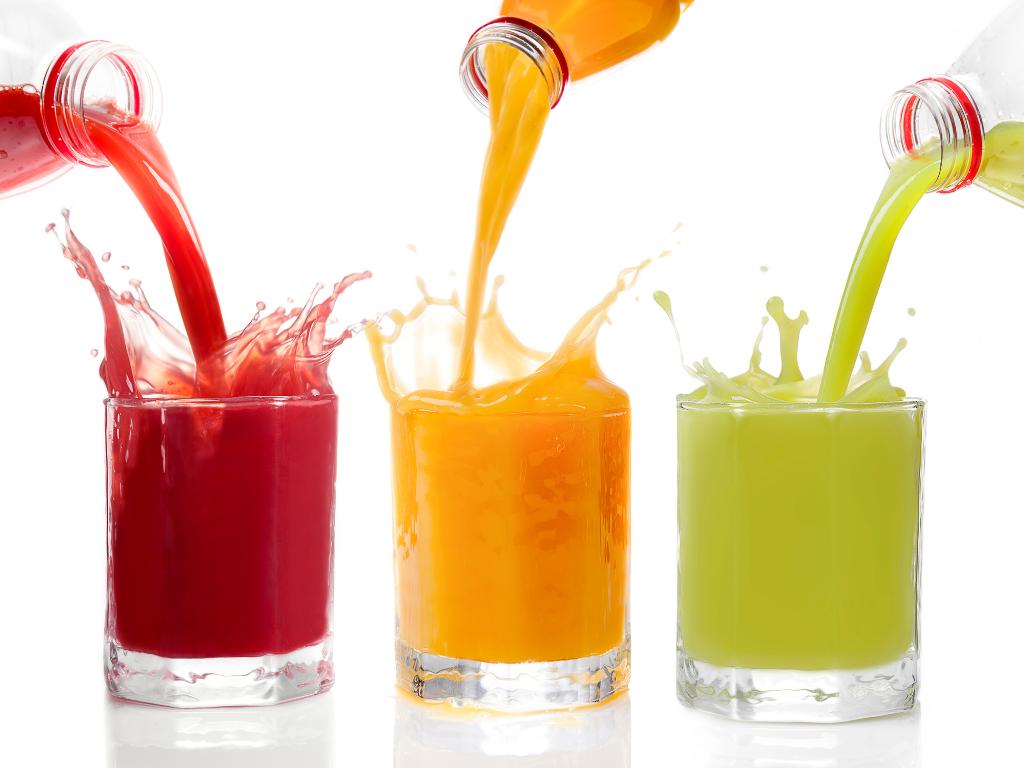
Fruit juices: Fruit juices should not be offered to infants. While fruit juices may contain some vitamins, they are also often high in sugars, acidic, and low in fibre. Excessive juice intake in infants and children can cause gastrointestinal symptoms like diarrhoea, dental caries, faltering growth, obesity, and decreased appetite. For children under 12 months, breast milk, formula, and cool, clean water are the only drinks they need.
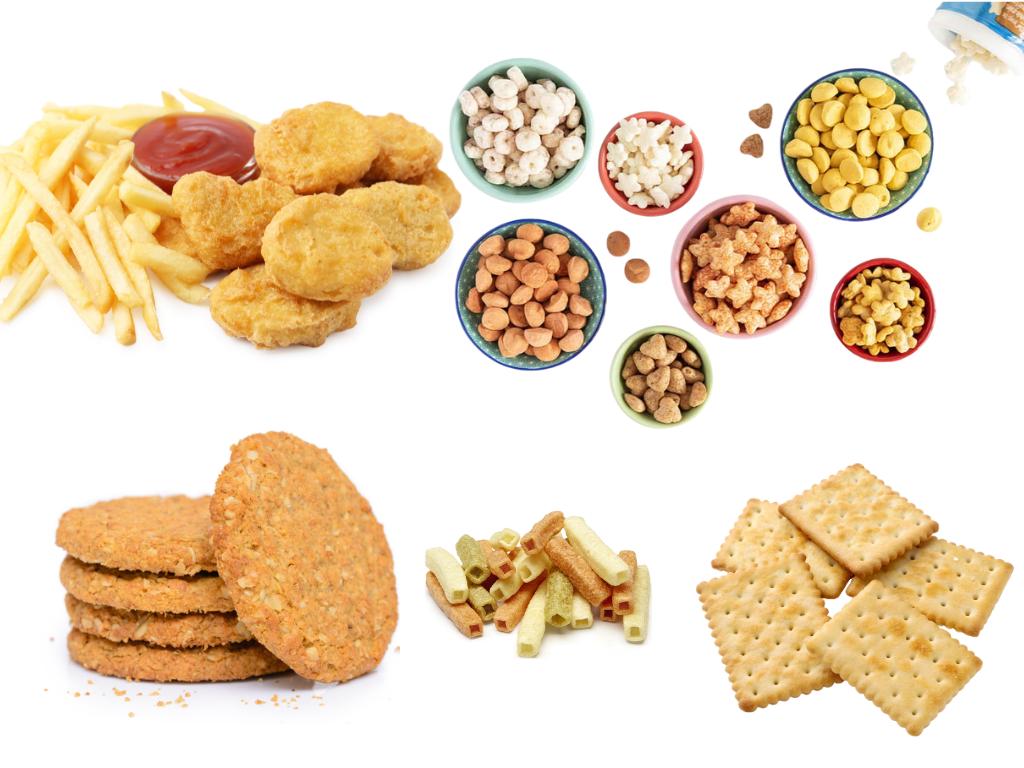
Processed foods such as sweet biscuits, chips, or fried foods: These foods have little nutritional value for infants, and may increase ‘fussy’ eating behaviours later on by building a preference for overly salty or sweetened foods.
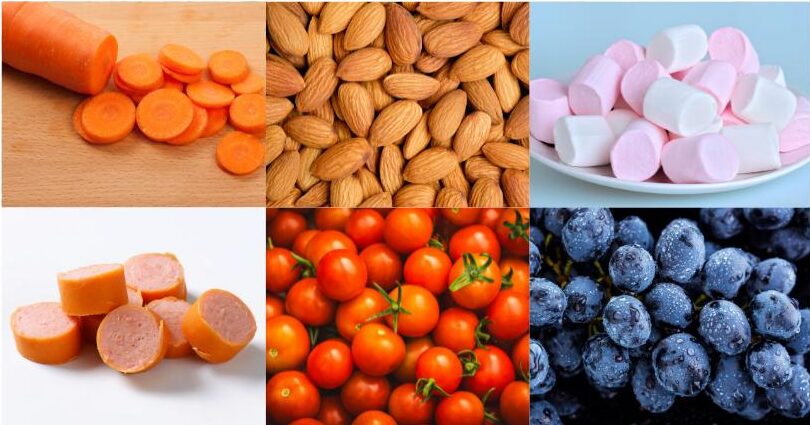
Choking hazards: Small, hard, rounded foods such as whole nuts, seeds, grapes, raw carrots, and pieces of apple can present choking hazards for young children. These foods can be offered to infants over 6 months old if cooked or prepared appropriately, such as cooking, grating, pureeing, or offering nuts and seeds as smooth butters.
Some practical examples of meals/snacks
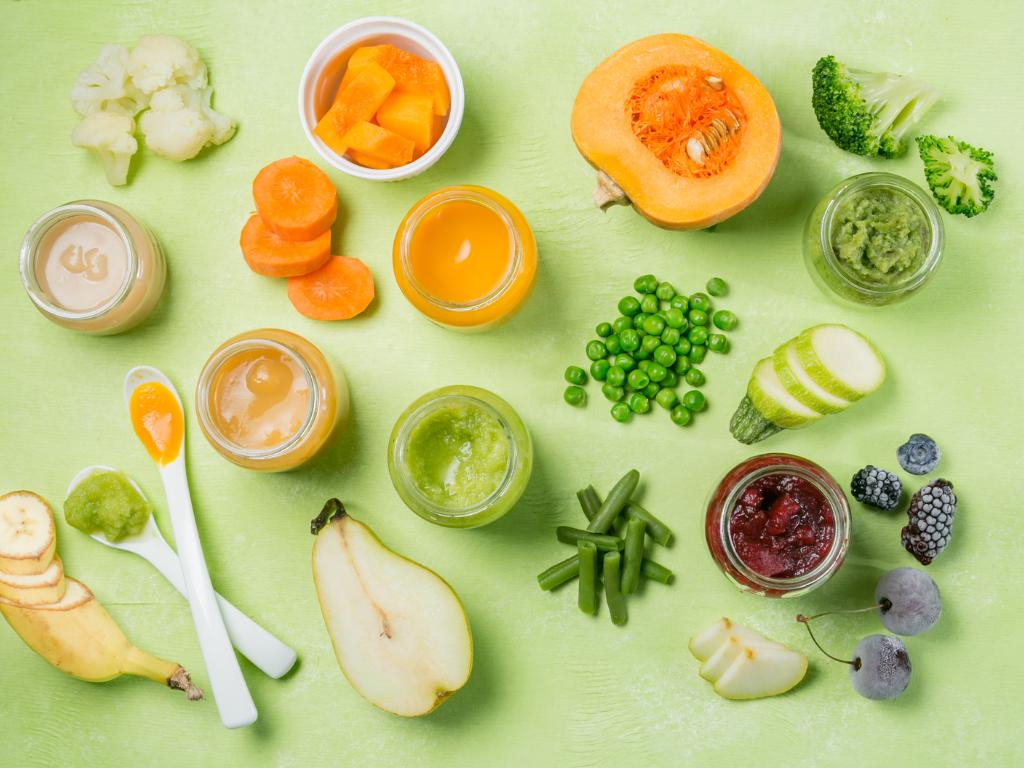
Purees
- Fruits and vegetables
- Iron-fortified infant cereals
- Meats, fish, or eggs
- Lentils, beans, or pulses
- Yogurts or custards
Lumpy/mashed textures
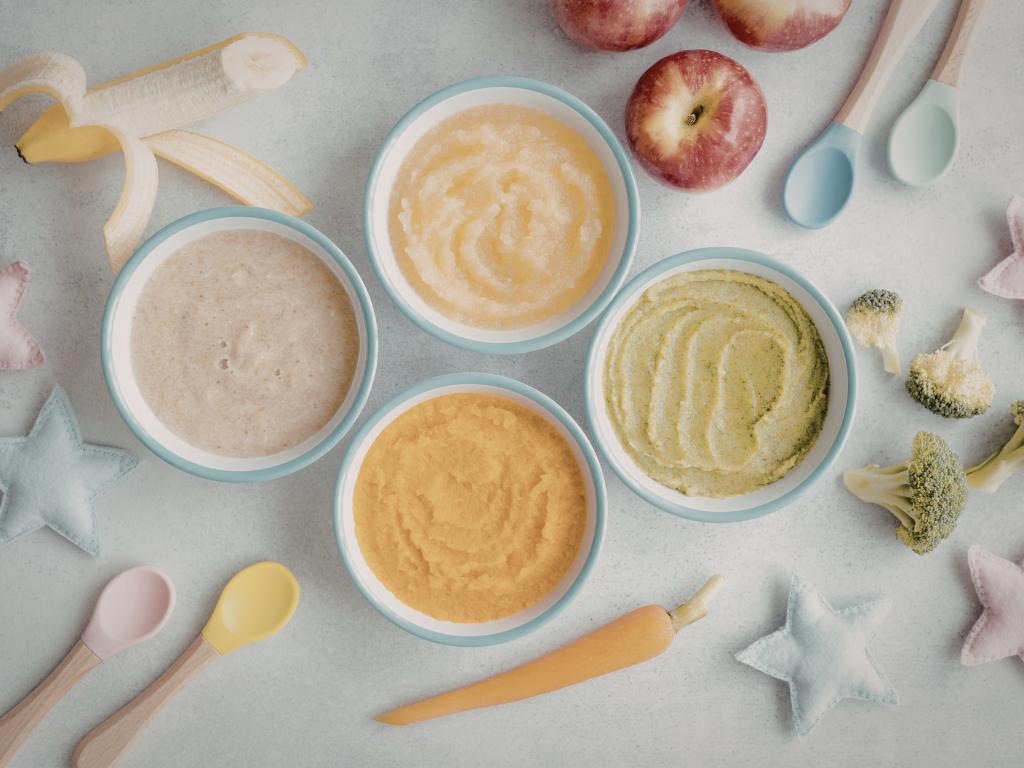
- Iron-fortified cereal soaked in breastmilk, formula, cow’s milk, or calcium-fortified plant-based milk
- Porridge or rice pudding
- Scrambled eggs or silken tofu
- Roasted or steamed fruits or vegetables, mashed with breastmilk or formula
- Well-cooked small pasta shapes (like Risoni, Ditalini, Stelline or Pastina), cous cous, or quinoa with a smooth sauce.
Finger foods
- Roasted vegetables like pumpkin, carrots, sweet potato, or zucchini, cut in to finger-sized pieces
- Soft fruits and vegetables such as bananas, avocados, raspberries
- Strips of omelette, tofu, or meats
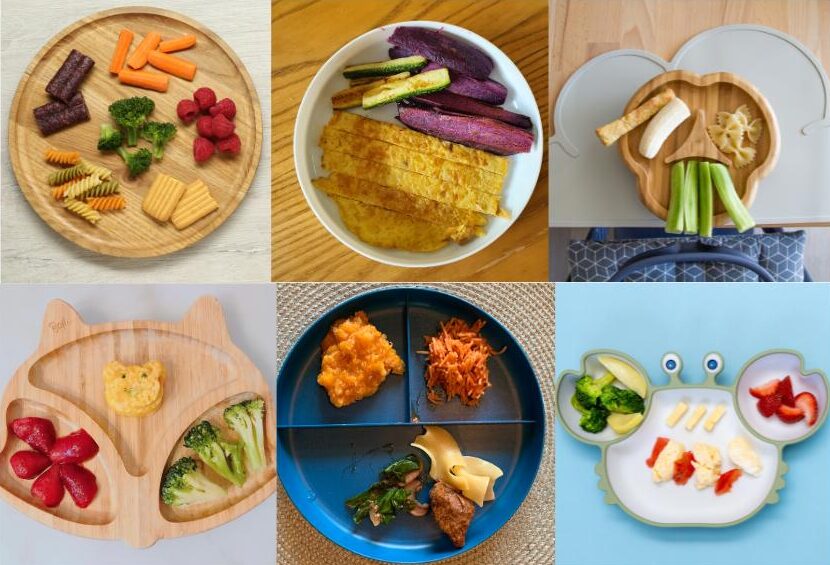
- Steamed vegetables like broccoli or cauliflower florets, green beans, or peas
- Grated cheese, carrots, or apple
- Chunks or pieces of well-cooked, flaky fish
- Cooked pasta
- Rice or quinoa, rolled in to small balls or bites
- Baby corn spears, cooked or tinned (no added salt)
- Stewed or tinned fruits (no added sugar), such as apples, peaches, pineapple, pear, or apricots
- Toast, cut in to strips or soldiers
- Meatballs or bean patties
- Chopped fresh fruit, like orange wedges, quartered grapes, sliced strawberries, watermelon fingers, or mango cheeks