
Infants under 1
Breastmilk or infant formula provides all of baby’s nutritional needs up until around 6months of age, when solid foods can begin to be introduced.
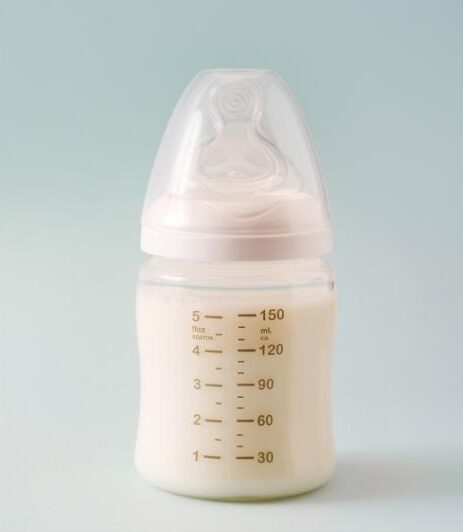
Even after starting solids, Your baby will continue to need a combination of breastmilk or infant formula alongside those first foods to meet their nutritional needs until their first birthday. By 1 year old, a balanced diet of family-style foods can meet all their nutritional requirements.

For babies under 1, breastfeeding provides bub a wonderfully nutritious start, as well as many other benefits such as immune protection, and improved health outcomes.
WHO recommends continuing breastfeeding up to 2 years old or beyond, and there is no set age that you ‘should’ cease breastfeeding. You can continue as long as you and your baby are both enjoying it.
If your baby is less than 12 months old and not longer breastmilk for any reason, they will need an infant formula, in addition to first foods.

Infant formula refers specifically to commercially prepared formulas specially made for infants, with different formulas available for infants 0-6 months and 6-12 months old. The composition of formulas is strictly regulated to ensure they meet the nutritional needs of growing infants, as well as ensuring they are safe and free from contamination. Formula production is standardized and protected by law, and must adhere to highly-specific composition guidelines, meeting both international and Australian standards before sale.
Stage 3, Toddler Milks, and Follow-on Formulas for Children Over 1
If your child is older than 1 year, there is no need for infant or toddler formulas to meet their nutritional needs, unless expressly prescribed by a member of your health care team (such as a paediatrician, GP, or dietitian). This includes products markets as ‘Stage 3’ formulas, follow-on formula, or toddler milks.
‘Follow on’ milks can reduce your child’s appetite, reducing the amount of food they then eat, and may actually increase fussy eating behaviours. As well as being expensive, toddler milks are often lower in calcium and protein and higher in sugar and calories than regular cow’s milk, and are not regulated in the same way infant formulas are. By 12-months old, children should get all the nutrition they need from family foods.
If you are worried about your child’s nutrition or growth, speak to your GP, paediatrician, or dietitian for support and advice.
What about other milks?
For children aged over 1 year, milk and milk-alternatives can be included as part of a balanced diet. This includes cow’s milk or other dairy milks such as goats milk, and plant-based alternatives like soy milk, oat milk, rice milk, or almond milk.
If using a plant-based milk alternative, it is best to choose a calcium-fortified product, as plant-based milks are not naturally rich in calcium like dairy, and calcium is an important nutrient for growing children.
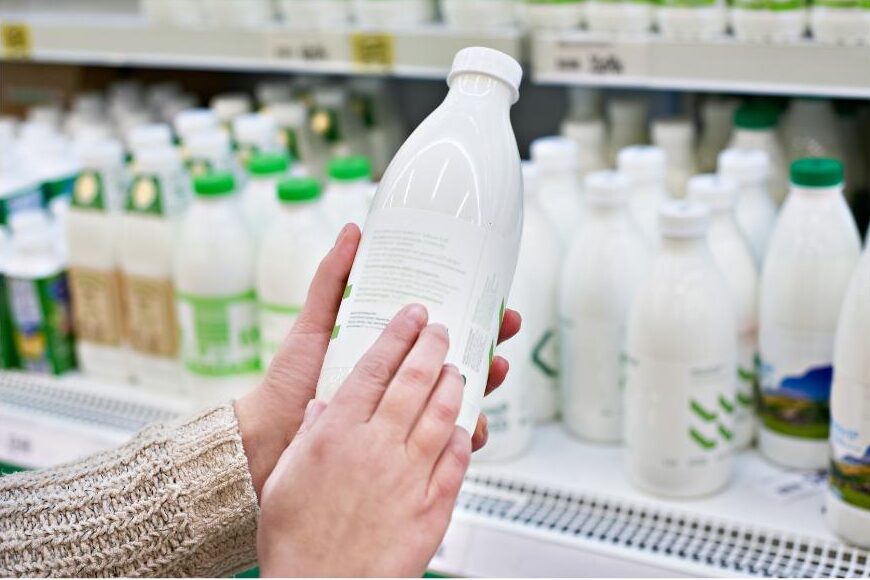
While milk or milk-alternatives can be included in children’s diets, it is not required to meet their nutritional needs in the way breastmilk or infant formula are for infants under 12 months. The main drink for children over 1 year old should be water, with milk or milk-alternatives provided in moderation just like any other food. It is recommended that children over 1 should not be offered more than 500mL of milk or milk-alternatives each day, to prevent it from displacing other foods which make a balanced diet.
After 12 months old it is recommended that children transition away from baby bottles to age-appropriate options such as open cups or straws, for all drinks including milk or milk-alternatives.